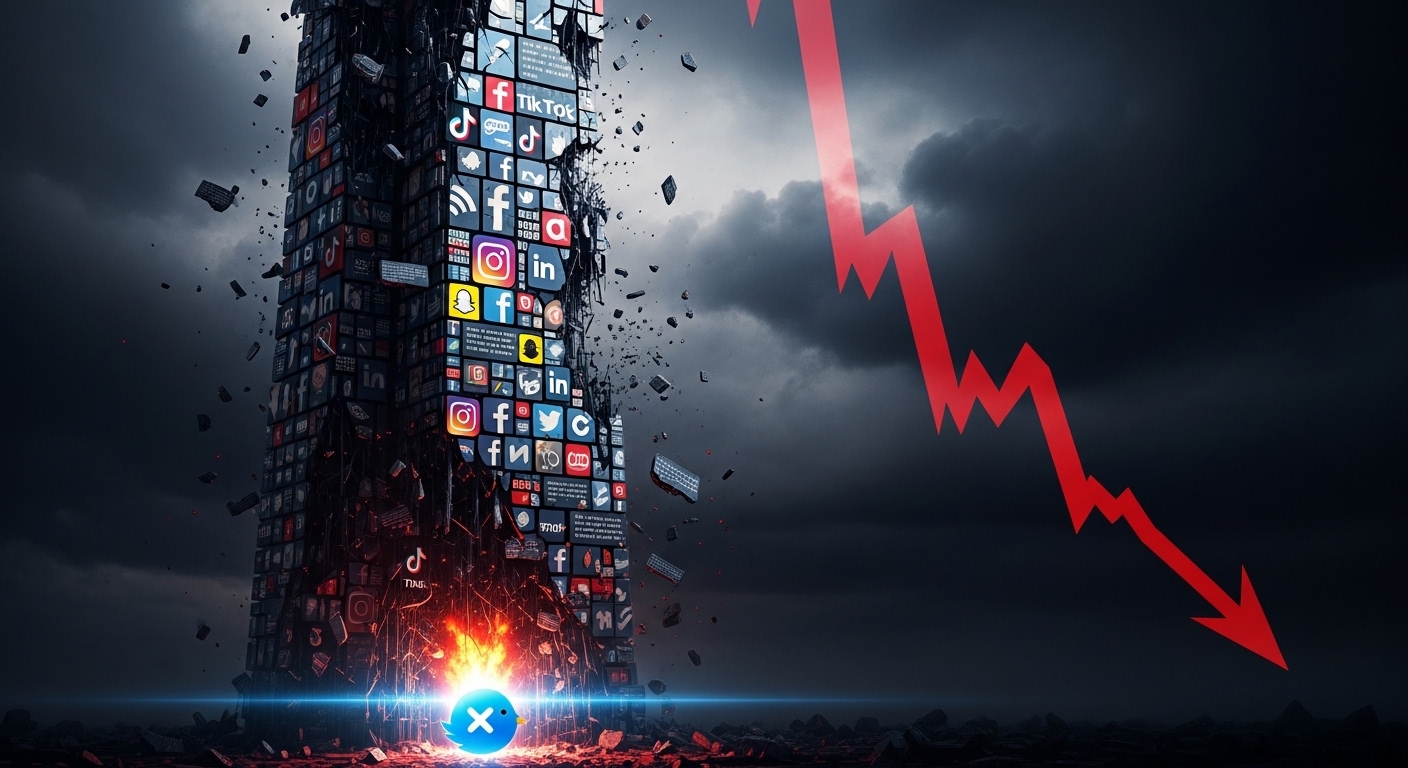
It took one post. A single tweet on X (formerly Twitter) from an account with modest following triggered a crisis that escalated faster than the brand could contain.
Within hours, the story moved from social media into mainstream coverage. By end of day, stock had dropped sharply, advertiser relationships were paused, and the brand had lost control of its narrative.
Key Facts at a Glance
- Original tweet crossed 50M+ impressions in six hours
- Stock dropped 18% before close on day one
- Four major advertisers suspended activity within 24 hours
- First official response came 11 hours after viral breakout
- Boycott hashtag trended globally for 72 hours
- Estimated market-cap loss exceeded $2B by end of week one
The Tweet That Started Everything
The post itself was simple: one screenshot plus a short caption framing internal communication in the worst possible way.
From there, growth was exponential. Large accounts amplified it, media outlets published before the brand responded, and audience perception hardened before any official clarification appeared.
The Damage by the Numbers
| Metric | Impact |
|---|---|
| Day-one stock move | -18% |
| Week-one market cap impact | $2B+ loss |
| Advertisers paused | 4 major partners |
| Time-to-first response | 11 hours |
| Global trend duration | 72 hours |
Hour-by-Hour Timeline
7:14 AM - Tweet Published
Initial traction was limited. Fewer than 500 reposts in the first 20 minutes.
9:00 AM - High-Follower Amplification
Three large accounts reposted in quick succession. Reach spiked from thousands to millions rapidly.
11:30 AM - Media Pick-Up
Major outlets started reporting based on tweet screenshots while brand channels remained silent.
1:00 PM - Market Reaction Begins
Institutional selling increased. Intraday decline accelerated.
4:45 PM - Advertiser Pullout Starts
One major partner paused activity publicly; others followed shortly after.
6:10 PM - First Brand Statement
Response arrived after 11 hours and was criticized as legalistic and low-empathy, triggering a second wave of backlash.
What Went Wrong
1) Slow response window
In social-media crises, silence is interpreted as avoidance. Eleven hours is too long when velocity is already high.
2) Incorrect response tone
Statement prioritized legal protection over accountability and empathy.
3) Weak crisis infrastructure
Escalation chain appeared too slow, with no ready-to-publish rapid response protocol.
4) Underestimating amplification dynamics
Modern crises are driven by high-reach accounts and network effects, not just original source reach.
Five Practical Lessons for Brands
Respond inside 30-60 minutes
A short "we are aware and investigating" message is better than silence.
Put empathy before legal wording
Legal review is essential, but public-facing tone must acknowledge concern clearly.
Maintain live social monitoring
Use velocity-trigger alerts so high-risk posts are escalated immediately.
Pre-approve crisis templates
Do not draft from scratch during active escalation.
Brief key partners early
Private outreach to advertisers and partners can prevent public cascade effects.
Can the Brand Recover?
Yes, but recovery usually takes quarters, not days. It requires consistent behavior change, transparent communication, and trust repair across customers, partners, and investors.
Stock can recover faster than trust. Long-term sentiment data is usually the better indicator of actual recovery trajectory.
Frequently Asked Questions
Can one tweet really damage a billion-dollar brand?
One tweet can trigger the event, but the real damage usually comes from delayed or poor response.
How fast should brands respond in a social crisis?
Best-practice window is within 30-60 minutes, even with a holding statement.
Why do advertisers leave so quickly?
They protect brand safety first. In high-visibility incidents, pausing early reduces reputational risk.
Is full recovery possible?
Yes, but only with sustained trust rebuilding and operational fixes, not one-time PR messaging.