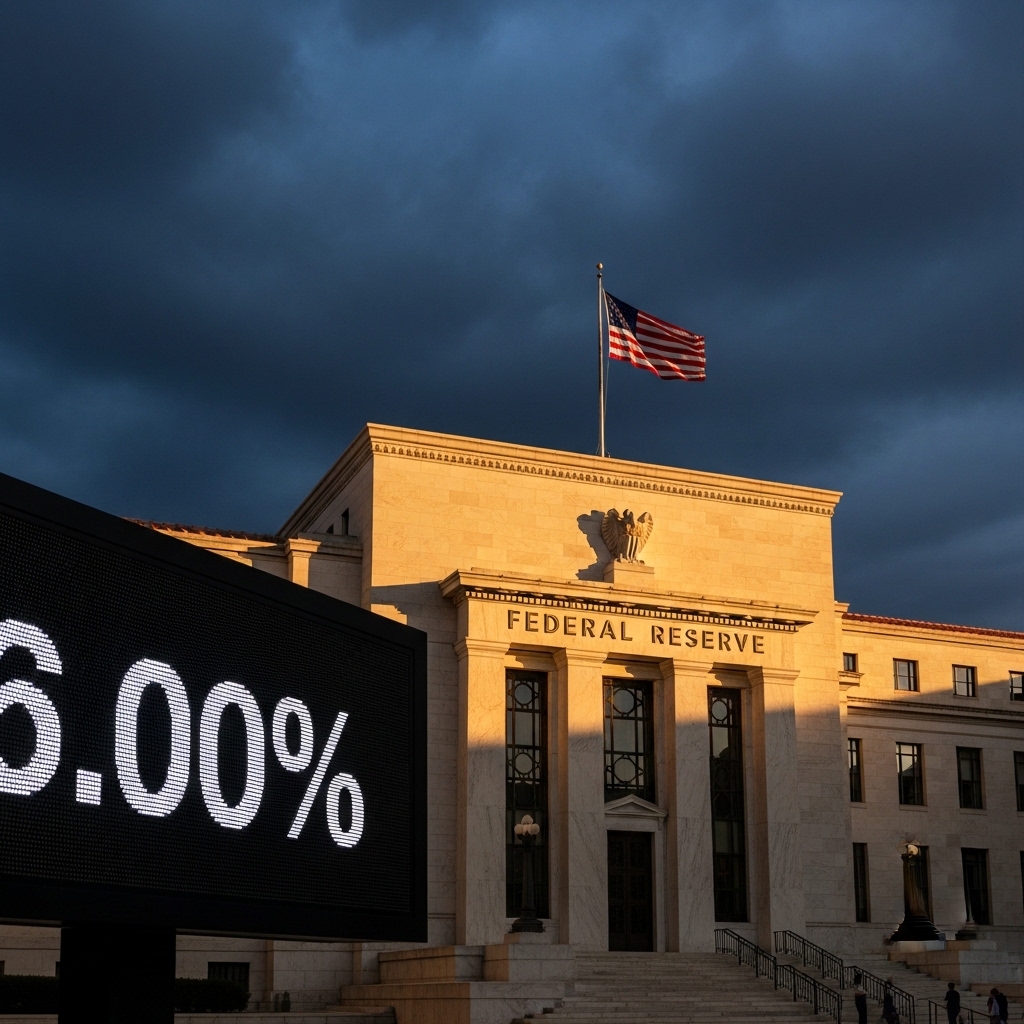
Today's Full US Mortgage Rate Table — March 11, 2026
The table below consolidates the most current US mortgage rate data available on Wednesday, March 11, 2026. Purchase rates are from Zillow's national lender marketplace. Freddie Mac's weekly survey (through March 5) and Fortune/Bankrate data are noted separately where figures diverge. All rates are national averages for well-qualified borrowers with 20% down and good credit scores.
| Loan Type | Rate Today | Change | Source | Notes |
|---|---|---|---|---|
| 30-Year Fixed (Purchase) | 5.98% | ▼ −0.02% | Zillow | Near 3-year low. Fell back below 6%. |
| 20-Year Fixed (Purchase) | 5.92% | — flat | Zillow | Lower rate, higher monthly vs 30yr |
| 15-Year Fixed (Purchase) | 5.46% | ▼ −0.02% | Zillow | Best for aggressive payoff strategy |
| 5/1 ARM | 5.99% | — flat | Zillow | No advantage over fixed currently |
| 7/1 ARM | 5.75% | ▼ −0.07% | Zillow | Better deal than 5/1 ARM |
| 30-Year VA Loan | 5.55% | — flat | Zillow | Military/veterans — lowest fixed rate |
| 15-Year VA Loan | 5.35% | — flat | Zillow | Excellent for eligible borrowers |
| 5/1 VA ARM | 5.27% | — flat | Zillow | Lowest rate available currently |
| 30-Year USDA Loan | 5.87% | ▲ +0.07% | Fortune | Rural/suburban buyers — low down payment |
| 30-Year Jumbo | 6.28% | ▼ −0.12% | Fortune | Loans above $832,750 conforming limit |
| 30-Year Fixed (Refinance) | 6.12% | — flat | Zillow | Refi rates always higher than purchase |
| 15-Year Fixed (Refinance) | 5.57% | — flat | Zillow | Strong refi option for high-rate holdouts |
| 30-Year Fixed (Freddie Mac Weekly) | 6.00% | ▲ +0.02% wk | Freddie Mac | Weekly survey as of March 5, 2026 |
| 15-Year Fixed (Freddie Mac Weekly) | 5.43% | ▼ −0.01% wk | Freddie Mac | Weekly survey as of March 5, 2026 |
⚠️ Disclaimer: Rates shown are national averages for informational purposes. Your actual rate will depend on your credit score, down payment, loan-to-value ratio, lender, and location. Always compare offers from at least 3 lenders. HJ Trending is not a licensed mortgage broker. This is not financial advice.
US Mortgage Calculator — March 2026 Rates
Use the calculator below to estimate your monthly principal and interest payment at today's March 2026 rates. Enter your loan amount, current rate, and term to get an instant estimate.
🏠 Monthly Payment Estimator
Why US Mortgage Rates Are at 5.98% in March 2026
The story of US mortgage rates in March 2026 is a story of gradual, hard-won relief after two years of historically elevated borrowing costs. Here is why rates stand where they do today — and what could push them in either direction over the coming weeks.
The Federal Reserve's Rate-Cutting Cycle
The Federal Reserve closed out 2025 with three consecutive rate cuts, reducing the federal funds rate to its current target range of 3.50%–3.75%. That cut cycle — combined with a gradual cooling in inflation from its 2022 peak of 9.1% down to 2.4% in January 2026 — has filtered through to mortgage markets. Mortgage rates today are nearly a full percentage point below where they stood in March 2025, when Freddie Mac tracked the 30-year average at 6.63%.
However, the Fed held rates steady at its January 2026 meeting, and market pricing currently assigns just a 2.7% probability to a rate cut at the upcoming March 17–18 FOMC meeting, per CME Group's FedWatch tool. Geopolitical volatility — particularly the ongoing US-Iran conflict — has introduced fresh inflation uncertainty, making the Fed reluctant to move. The March 11 CPI report is a critical data point the market is watching intensely.
"Rates are down nearly a full percentage point from this time in 2024, spurring activity from buyers, sellers and owners. Refinance activity is up, and purchase applications are ahead of last year's pace."
— Sam Khater, Chief Economist, Freddie Mac, March 5, 2026The 10-Year Treasury Yield Connection
The 30-year fixed mortgage rate tracks the 10-year US Treasury yield more closely than it follows the Fed funds rate directly. When bond investors buy more Treasuries (pushing yields down), mortgage rates tend to follow. When they sell (driving yields up), mortgage rates rise. Right now the 10-year yield has climbed back above 4%, partly due to inflation concerns driven by oil price volatility from the Iran war. This has created a ceiling on how quickly mortgage rates can fall further even as the Fed holds steady.
The Iran War Premium in Mortgage Rates
This is a factor most mortgage guides are not addressing. The US-Iran conflict that began on February 28 has pushed oil prices sharply higher and reintroduced genuine inflation uncertainty into the market. Bloomberg Intelligence's chief MBS strategist Erica Adelberg noted directly: "The war, and in particular the risk it has introduced for inflation, has created a lot more uncertainty around the timing of future Fed rate cuts." In short: the war is preventing rates from falling as fast as they otherwise would.
Refinance Mortgage Rates Today — March 2026
The refinance story in March 2026 is one of the most significant in years. Refinance applications have surged 109% year-over-year, according to the Mortgage Bankers Association's most recent weekly survey ending February 27, 2026. This is a direct result of the rate decline over the past 12 months — millions of homeowners who locked in at 7%+ rates in 2023 and early 2024 are now actively exploring whether refinancing makes financial sense.
| Loan Type | Refi Rate (Mar 11) | vs Last Week | Should You Refi? |
|---|---|---|---|
| 30-Year Fixed Refi | 6.12% | Flat | If your current rate is 7%+, the math often works |
| 20-Year Fixed Refi | 5.96% | Flat | Good for reducing total interest without 15yr payments |
| 15-Year Fixed Refi | 5.57% | Flat | Best long-run savings if you can handle higher payments |
| 5/1 ARM Refi | 6.06% | Flat | Only if you plan to sell within 5 years |
| 30-Year Fixed Refi (CBS/Zillow high) | 6.58% | ▲ +8bps | Some lenders pricing higher — shop around |
Fed Meeting March 17–18: What It Means for Mortgage Rates
The Federal Open Market Committee (FOMC) meets on Tuesday March 17 and Wednesday March 18, 2026 — in six days from today. This is the most-watched economic event of the month for anyone with a mortgage or planning to get one.
The current probability of a rate cut at this meeting, according to CME Group's FedWatch tool, is just 2.7%. This means markets are overwhelmingly pricing in the Fed holding rates at 3.50%–3.75%. Several factors explain this near-certainty of a hold:
| Factor | Direction for Rates | Weight |
|---|---|---|
| Inflation still above 2% target (2.4% in Jan 2026) | ↑ Upward pressure | High |
| Jobs report: only 151K added vs 180K forecast | ↓ Supports cut | Medium |
| Iran war — oil prices rising, inflation uncertainty | ↑ Upward pressure | High |
| 10-year Treasury yield above 4% | ↑ Upward pressure | High |
| CPI report March 11 (today) — data pending | → TBD | Very High |
| Fed Chair Powell tone at press conference | → Watch carefully | High |
Even if the Fed holds at its March meeting, the path forward matters enormously for mortgage rates. If Fed Chair Jerome Powell's post-meeting statement signals that cuts are coming in June or September, bond markets will react — and mortgage rates could fall 10–20 basis points in the days that follow. Conversely, hawkish language about persistent inflation could push rates back above 6.2% quickly.
Will Mortgage Rates Go Down in 2027? Every Forecast Compared
This is the question millions of American homebuyers and homeowners are searching right now: will mortgage rates go down in 2027? Here is what every major housing institution is currently projecting, updated as of March 2026.
| Institution | 2026 Forecast (30-yr) | 2027 Forecast (30-yr) | Key Assumption |
|---|---|---|---|
| Fannie Mae | 6.1% (Q1–Q2) | ~6.0% | Gradual inflation decline; limited Fed action |
| Freddie Mac | ~6.0% | ~5.9%–6.0% | Rates near 3-year lows; steady descent |
| MBA (Mortgage Bankers Assoc.) | 6.1%–6.2% | 6.20%–6.30% | Rates have bottomed; will rise slightly in 2027 |
| Wells Fargo | 6.14% | 6.19% | Housing activity subdued; new home sales soft |
| NAHB | 5.99% | 5.89% | Most optimistic; sees rates falling below 6% |
| Bankrate (Ted Rossman) | 5.5%–6.5% range | ~6.0%–6.2% | Volatile — "sometimes a little lower, sometimes higher" |
| LongForecast.com | 5.76% by May 2026 | 5.41%–5.59% | Most aggressive cut scenario; Fed cuts mid-2026 |
| NerdWallet | Near 6% Q1 | Modest decline | Fed hold March; possible June cut |
"The average 30-year fixed mortgage rate should bounce around 6% — sometimes a little lower, sometimes a little higher — throughout much of 2026."
— Ted Rossman, Senior Industry Analyst, BankrateShould You Buy a Home or Refinance in March 2026?
For Homebuyers: Is Now a Good Time to Buy?
Mortgage rates at 5.98% are near their best level since mid-2022. Home prices are still rising — Fannie Mae forecasts 2.4% home price appreciation in 2026 — meaning waiting could mean paying more for the same house even if rates edge lower. Refinance activity is surging, which tells you existing homeowners agree that 6% is a meaningfully better environment than 7%.
The argument for buying now: you lock in today's competitive rate, and if rates drop further in 2026 or 2027, you can always refinance. The argument for waiting: with the Fed potentially cutting in June, and LongForecast models showing rates possibly dipping toward 5.5%–5.7% by late 2026, patient buyers may save $100–$150 per month on their payment.
For Refinancers: The 109% Surge Tells the Story
Refinance applications are up 109% year-over-year for a simple reason: millions of borrowers are sitting on loans originated in 2022, 2023 or early 2024 at rates of 7%–7.79%. At today's 6.12% refinance rate, a $350,000 balance refinanced from 7.5% saves approximately $320 per month in principal and interest — before accounting for closing costs.
The break-even calculation is straightforward: if closing costs total $5,000 and you save $320/month, you break even in 15.6 months. If you plan to stay in the home beyond that, refinancing makes economic sense at today's rates.
US Mortgage Rate Calculator — Quick Reference Table
This table shows estimated monthly principal and interest payments for a $350,000 loan at key rates for March 2026:
| Rate | $250,000 loan (30yr) | $350,000 loan (30yr) | $500,000 loan (30yr) | $250,000 loan (15yr) |
|---|---|---|---|---|
| 5.50% | $1,419 | $1,987 | $2,839 | $2,042 |
| 5.75% | $1,460 | $2,043 | $2,919 | $2,077 |
| 5.98% (today) | $1,497 | $2,096 | $2,994 | $2,108 |
| 6.00% | $1,499 | $2,098 | $2,998 | $2,110 |
| 6.25% | $1,539 | $2,154 | $3,077 | $2,144 |
| 6.50% | $1,580 | $2,212 | $3,160 | $2,179 |
| 7.00% | $1,663 | $2,329 | $3,326 | $2,247 |
| 7.50% (2023 avg) | $1,748 | $2,448 | $3,497 | $2,316 |
Mortgage Rates by State — Best and Worst Markets in March 2026
National averages tell part of the story. In practice, mortgage rates vary by state due to differences in local lender competition, state-level regulations, average loan sizes and risk profiles. The states with the most competitive lender ecosystems consistently offer rates 10–25 basis points below the national average.
| State / Region | Typical 30-yr Rate Range | Note |
|---|---|---|
| Texas | 5.85%–6.10% | High lender competition; fast-growing market |
| Florida | 5.90%–6.15% | Active refinance market; insurance costs rising |
| California | 5.95%–6.25% | High loan sizes; jumbo rates relevant |
| New York | 5.92%–6.20% | Competitive NYC metro; closing costs high |
| Midwest (IL, OH, MI) | 5.80%–6.05% | Most affordable markets; rates competitive |
| Southeast (GA, NC, SC) | 5.85%–6.10% | Fast-growing; new construction active |
| Mountain West (CO, AZ, NV) | 5.90%–6.15% | Inventory tight; buyer competition still elevated |
| Northeast (MA, CT, NJ) | 5.95%–6.20% | High home prices; jumbo products common |
Frequently Asked Questions — US Mortgage Rates March 2026
As of March 11, 2026, the average 30-year fixed mortgage rate is 5.98% according to Zillow — down two basis points from the previous day, back below the 6% threshold. Freddie Mac's weekly survey (March 5) showed the 30-year at 6.00%. The 15-year fixed stands at 5.46%. Rates are near their lowest level since summer 2022, and are approximately 0.65% below where they were in March 2025.
Most institutions project 30-year fixed rates to remain near 6% in 2027. The MBA forecasts 6.20%–6.30%. Wells Fargo projects 6.19%. The NAHB is the most optimistic at 5.89%. LongForecast models show potential for 5.41% by March 2027 if the Fed cuts rates aggressively. A return to pandemic-era rates below 5% is not expected by any major forecaster in the near future.
The 5/1 VA ARM at 5.27% is technically the lowest rate available nationally for eligible military/veteran borrowers. For conventional purchase loans, the best-qualified borrowers (760+ credit score, 20%+ down, strong income) can potentially secure rates below 5.75% from competitive lenders. The national 30-year average of 5.98% is a starting point — shopping three or more lenders can yield rates 25–50 basis points lower.
For a $400,000 home with 20% down ($320,000 loan) at 5.98% on 30 years, the monthly principal + interest is approximately $1,914. Use our built-in calculator above or the CFPB's free tool at consumerfinance.gov. Remember to add property taxes, homeowners insurance, and (if applicable) PMI to get your true PITI payment.
Almost certainly not. CME Group's FedWatch tool puts the probability of a rate cut at the March 18 meeting at just 2.7%. The Fed held rates steady in January 2026 and is widely expected to hold again. The earliest a cut is likely is June 2026, and only if the CPI continues declining toward the 2% target and the labor market softens further. The Iran war and geopolitical oil price risk are adding upward pressure on the inflation outlook.
Yes — in historical context, a 6% 30-year fixed mortgage is slightly below the long-run average. The 50-year average for the 30-year fixed mortgage is approximately 7.74% (Freddie Mac data back to 1971). The 2020–2021 rates of 2.65%–3% were extreme outliers driven by emergency Federal Reserve policy during COVID. A rate near 6% reflects a relatively normal borrowing environment by historical standards, even if it feels high compared to the recent past.
The US-Iran conflict that began February 28, 2026 has closed the Strait of Hormuz, pushed oil prices higher, and reintroduced inflation uncertainty into financial markets. This has put upward pressure on the 10-year Treasury yield — the key benchmark that mortgage rates follow. Bloomberg Intelligence's Erica Adelberg stated: "The war has created a lot more uncertainty around the timing of future Fed rate cuts." Without the war premium, many economists believe mortgage rates could already be below 5.75%.
Freddie Mac publishes a weekly survey average (updated Thursdays) based on data from its Loan Product Advisor system — this reflects the broad market and lags daily movements. Zillow reports daily averages from its live lender marketplace, making it more current. Bankrate and Mortgage Reports compile rates from daily lender submissions. For the most up-to-date snapshot, use Zillow; for weekly trend analysis, use Freddie Mac's PMMS. Individual lender quotes you receive will vary based on your personal financial profile.
📋 Sources: Zillow Lender Marketplace (March 11, 2026) · Freddie Mac PMMS (March 5, 2026) · Fortune/Bankrate daily rate surveys · CBS News mortgage rate tracking · Yahoo Finance / Norada Real Estate · CME Group FedWatch Tool · Fannie Mae Economic & Strategic Research Group · Mortgage Bankers Association · Wells Fargo Economic Outlook · NAHB Housing Forecast · Bloomberg Intelligence (Erica Adelberg) · LongForecast.com · NerdWallet March 2026 Mortgage Outlook · The Mortgage Reports. All figures are national averages for informational purposes only. This article does not constitute financial advice. Rates change daily — verify current offers directly with lenders.