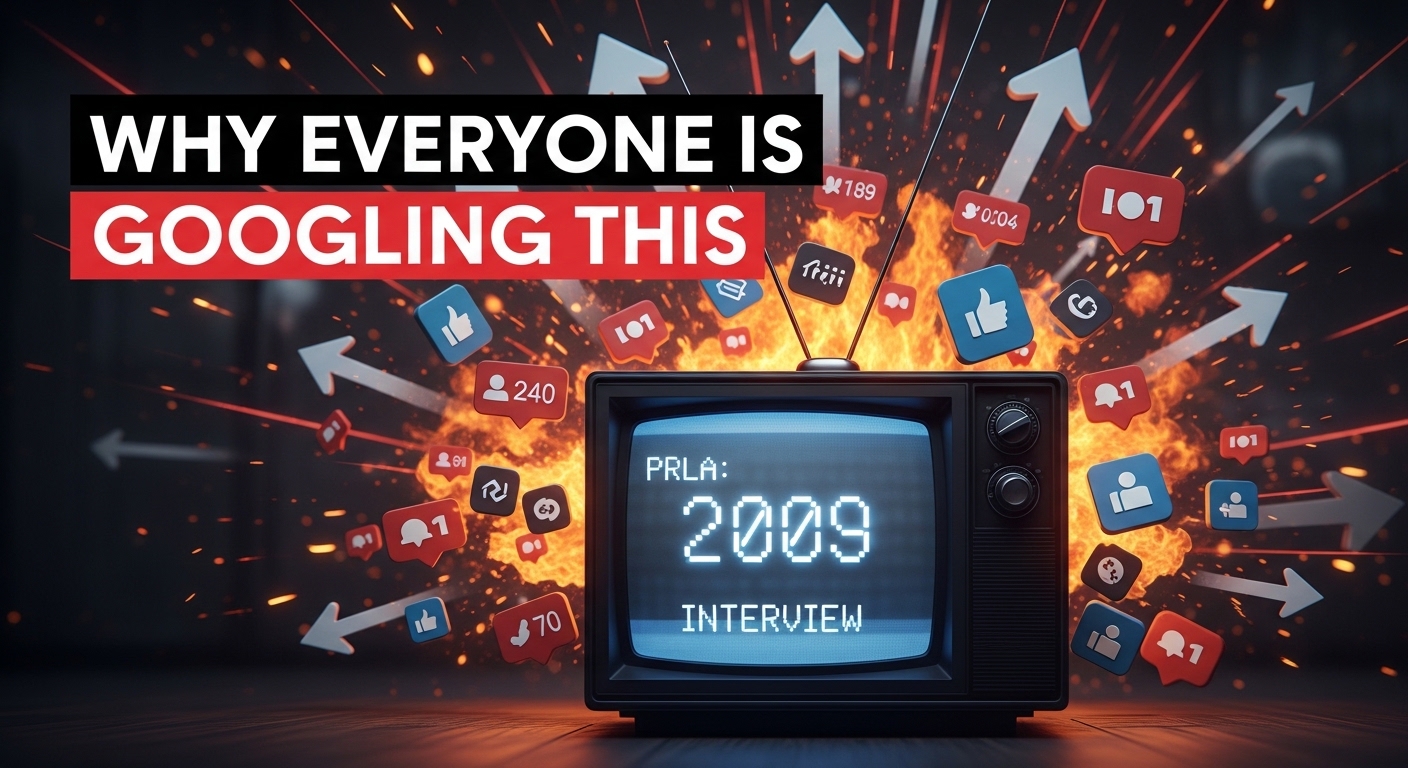
A short clip from a 2009 interview returned to feeds this week and quickly became one of the most searched moments online.
Most people only saw a clipped section. The full version tells a different story.
Why It Went Viral Again
- A creator reposted the clip with a strong caption
- Reaction accounts amplified the edited section
- New audiences saw it without original context
- Search interest surged as people asked what was true
What Was Missing From the Viral Clip
The trending cut removed key lead-in and follow-up answers that changed the tone and meaning.
When full context is restored, the moment is less shocking than the viral edit suggested.
The 2026 Context Effect
Old clips go viral when they match current cultural debates. This one fit active online conversations, so the algorithm boosted it hard.
What to Learn From This
- Viral clips are often partial narratives
- Context can change interpretation completely
- Quote-post framing can outweigh original facts
- Full-source verification matters before sharing
FAQ
Was the clip fake?
No. The clip was real, but heavily cropped.
Why did people react so strongly?
Most viewers saw a high-emotion edit first, not the full interview.
Should old clips be trusted?
Only after checking full context and original source.
This case is another reminder that in 2026, framing can travel faster than facts.