A single image spread across social media and convinced people for almost three days. News pages reposted it. Comment sections treated it as real. Even experienced users missed the signs.
This is not just one viral moment. It is the new normal when AI image tools are fast, free, and good enough to fool people at first glance.
What happened
The image started in a small account circle and then jumped to larger pages. Once a few high-reach accounts posted it, the algorithm pushed it into mainstream feeds. Most shares happened in the first 12 hours.
The pattern was simple:
- A shocking visual hook
- Fast reposts without source checks
- Comment-driven engagement
- Late correction after the viral peak
Why people believed it
People trust images faster than text. If an image confirms what someone already believes, they rarely verify before sharing. That is exactly what happened here.
Other reasons it spread:
- The fake had realistic lighting and texture
- No visible watermark
- The caption sounded urgent and believable
- Reposts removed the original context
How to spot AI-generated images quickly
Use this quick checklist before you share:
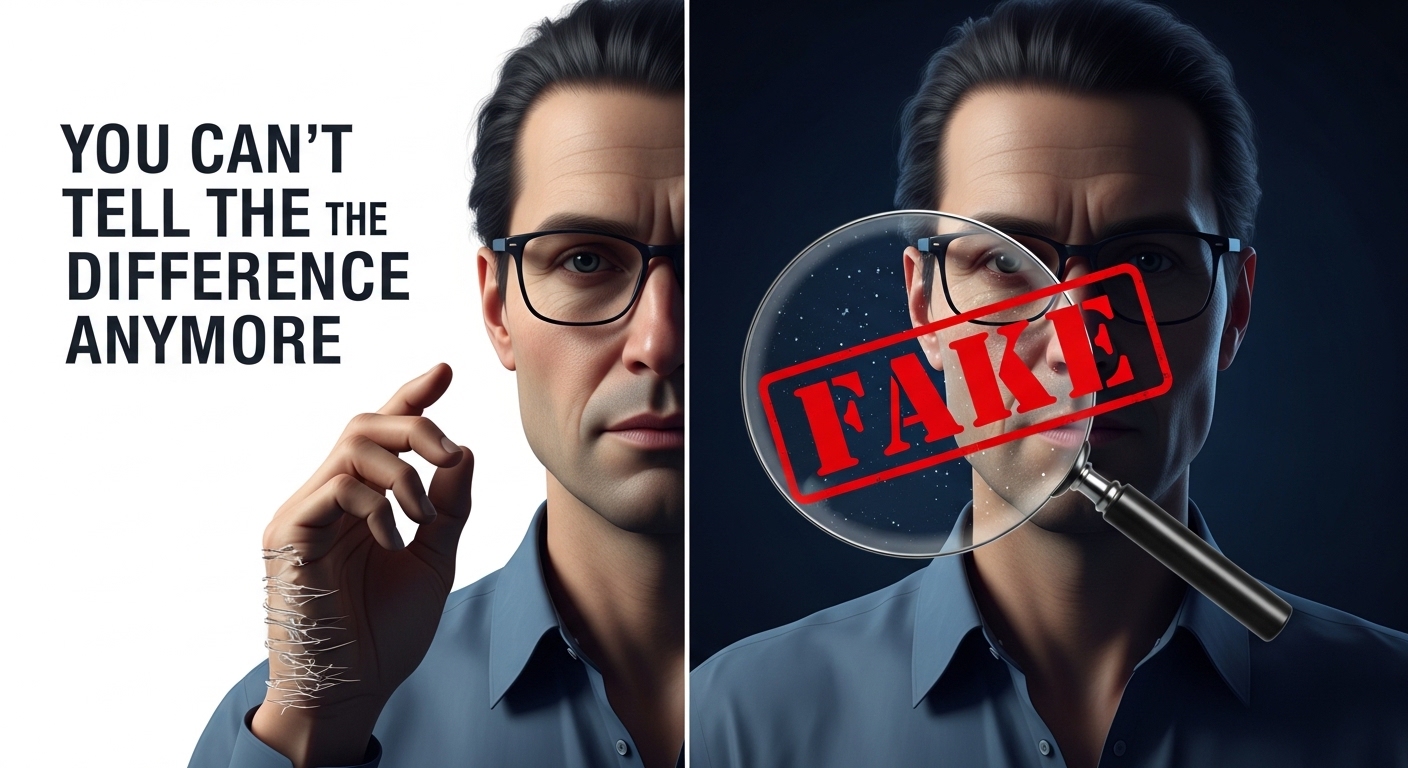
- Look closely at hands, teeth, and small details
- Check text inside the image for broken letters
- Zoom into edges around glasses, hair, and jewelry
- Reverse search the image to find the first upload
- Verify with at least one trusted news source
If two or more items look wrong, do not repost.
Why this matters now
False images are no longer just memes. They can shape opinions, damage reputations, and spread panic before facts catch up.
The best defense is simple: slow down, verify the source, and share responsibly.